
A gentle guide for families navigating a difficult decision.
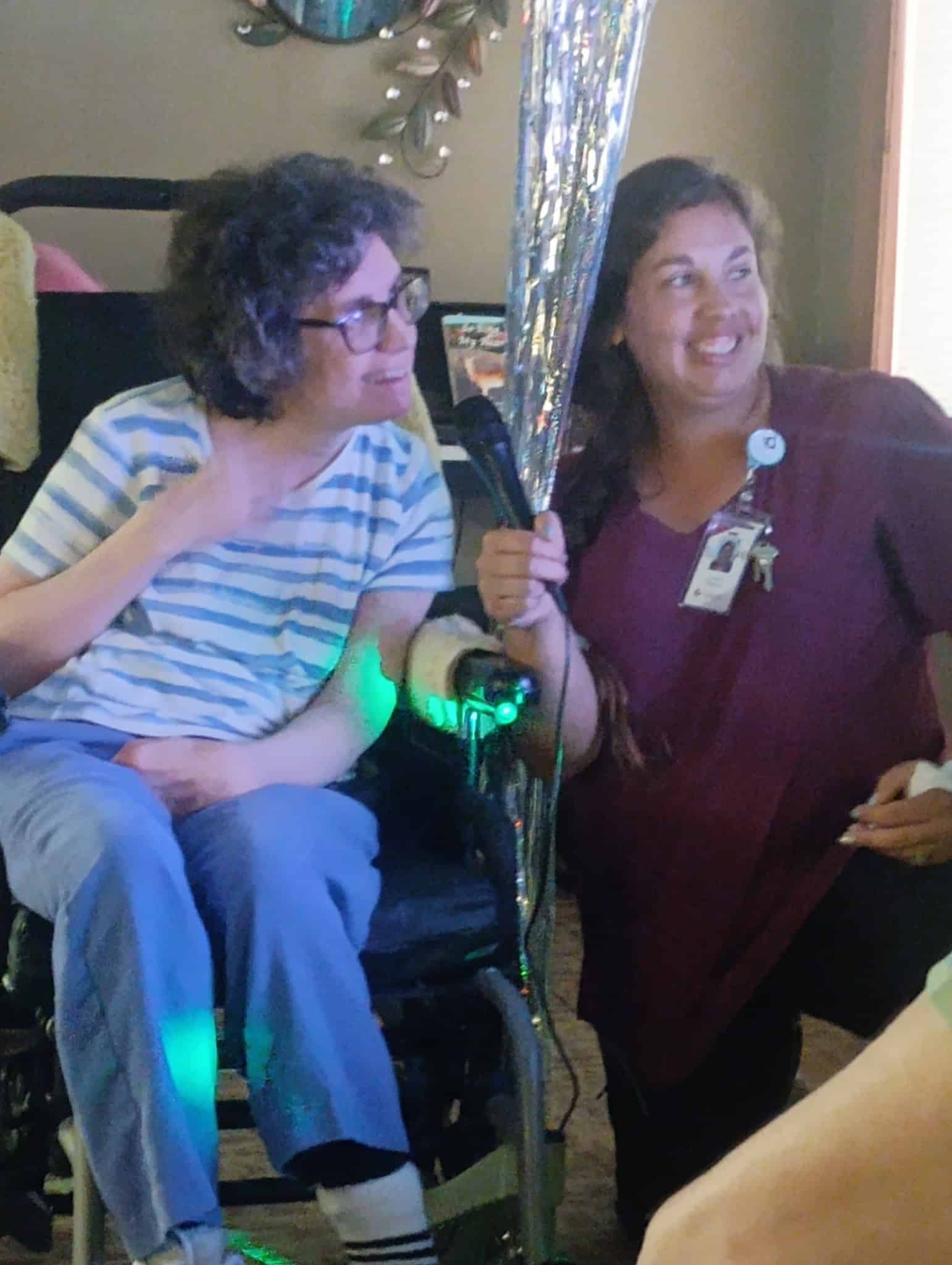
Making the decision to move a loved one into a nursing home is never easy. For many families, it comes with guilt, uncertainty, and a lot of unanswered questions. At Pleasant View Home, we talk with families every week who are asking the same thing:
“How do I know when it’s time?”
The truth is, there’s rarely one single moment. Instead, there are signs that care needs are growing beyond what can safely be provided at home. If you’re wondering whether it may be time, here are some important things to consider.
1. Safety Is Becoming a Concern
One of the biggest indicators is when safety becomes unpredictable.
This might look like:
-Frequent falls or close calls
-Leaving the stove on or forgetting medications
-Wandering due to memory loss
-Difficulty getting in and out of bed or chairs
Even the most loving families can’t always provide 24/7 supervision. A nursing home provides a safe, secure environment with staff available around the clock.
2. Health Needs Are Increasing
As people age, medical needs often become more complex. If your loved one requires regular medical monitoring, it may be time to consider skilled care.
Signs include:
-Multiple hospitalizations
-Complex medication schedules
-Wound care or injections
-Oxygen or specialized medical equipment
Skilled nursing facilities are designed to support these needs while helping prevent unnecessary hospital visits.
3. Caregiver Burnout Is Setting In
This is one of the most common — and least talked about — reasons families transition to nursing home care.
If you’re experiencing:
-Exhaustion or sleep deprivation
-Anxiety about leaving your loved one alone
-Strain on your job or family life
-Feelings of guilt or overwhelm
You are not alone. Caring for someone full-time is incredibly demanding. Choosing a nursing home isn’t giving up — it’s making sure everyone gets the support they need.
4. Personal Care Is Becoming Difficult
Many families manage well until daily care needs increase.
Watch for:
-Trouble bathing or dressing
-Poor hygiene
-Incontinence challenges
-Noticeable weight loss or dehydration
These are deeply personal needs, and professional caregivers are trained to provide this care with dignity and compassion.
5. Isolation or Declining Quality of Life
Sometimes the biggest change isn’t medical — it’s emotional.
You might notice:
-Withdrawal from hobbies or social activities
-Increased loneliness or depression
-Less mobility leading to staying home more
-A loss of purpose or routine
In a nursing home setting, residents have daily opportunities for social interaction, activities, and community — something that’s hard to recreate at home.
6. You’re Constantly Worried
If you find yourself thinking:
“What if they fall while I’m gone?”
“I can’t keep doing this alone.”
“Something has to change.”
That feeling matters. Many families say they waited longer than they should have because they hoped things would improve. Trusting your instincts is an important part of this process.
It’s Okay to Feel Conflicted
One thing we tell families often: Two things can be true at once.
You can love someone deeply and recognize that you can’t meet all their needs alone.
Moving to a nursing home is not a failure. In many cases, it’s a step toward:
-Better medical care
-Increased safety
-More social connection
-Peace of mind for the entire family
What Happens Next?
If you’re starting to ask these questions, you don’t have to navigate it alone.
Even if you’re not ready yet, it can be helpful to:
-Take a tour
-Ask questions
-Learn about care options
-Talk through financial concerns
Gathering information early makes the decision less overwhelming when the time comes.
We’re Here When You Need Us
At Pleasant View Home, we understand that this decision is deeply personal. Every family’s situation is different, and there’s no one-size-fits-all timeline.
Whether you’re ready now or just beginning to explore options, we’re here to listen, answer questions, and walk alongside you.
If you’d ever like to talk, our team is always happy to help guide you through the next steps — with compassion, honesty, and no pressure. Email our Admissions Coordinator with questions and to set up a tour.

Add Comment